Marsvest MAKE INFORMED, SAFER DECISIONS

Choose investments with a clear view of the risk. Compare assets before you commit your money. Understand the risk, then decide with confidence.

Different assets behave differently. Compare broad categories and consider how each one fits your goals, timeline, and comfort with change. Every guide on this page breaks down how an asset works, what tends to drive its returns, and the specific risks to weigh before you commit any money.
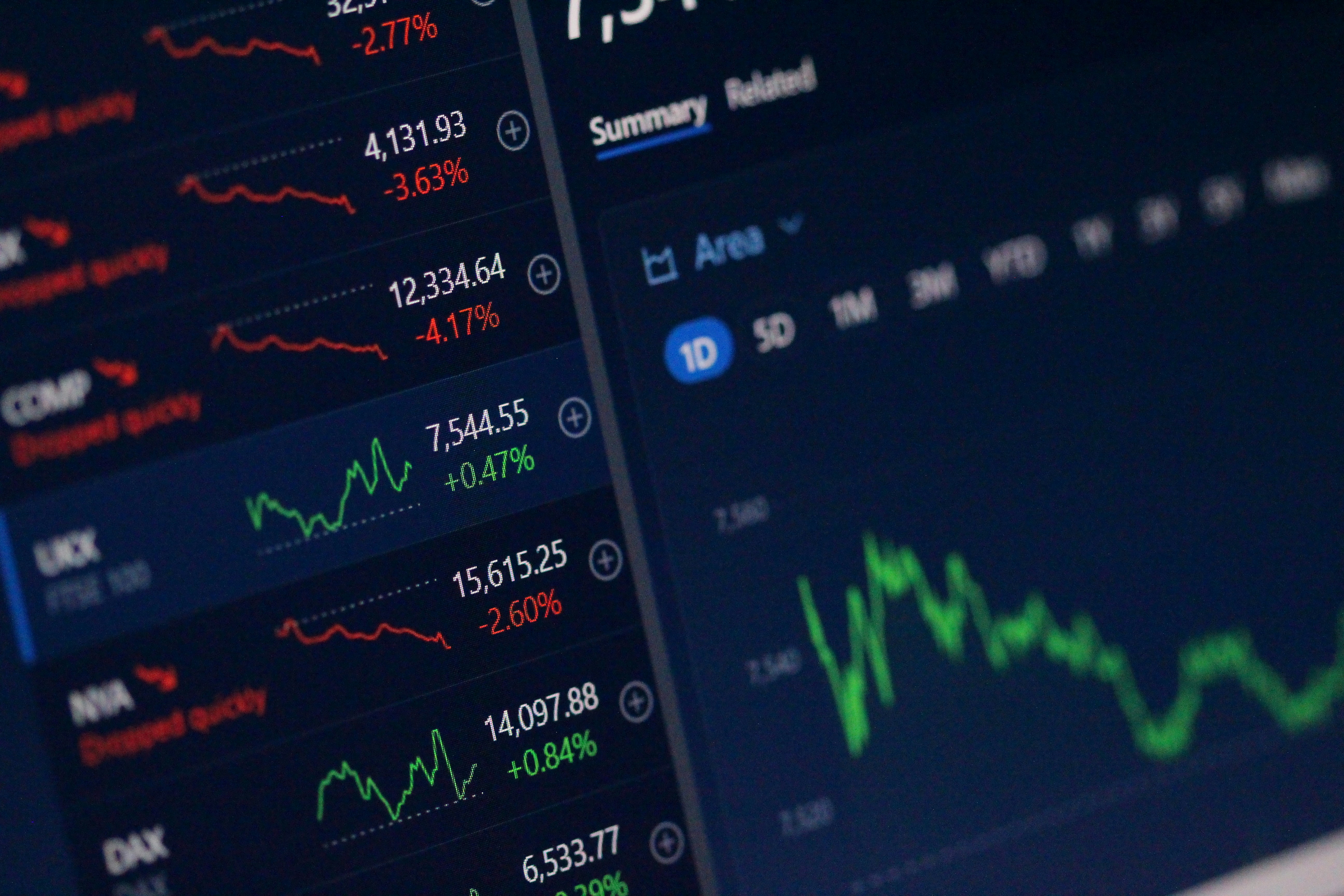
Stock market data on a trading screen

Stocks & ETFs

Gain Ownership in individual companies, or a diversified basket of them through ETFs.

Returns mostly come from price Growth and, for some stocks, regular dividend payouts.

Fairly Liquid many can be bought or sold during market hours, though prices can swing sharply.

A spread of US dollar banknotes

Bonds & cash

Lend money for a Fixed return through interest payments over a set term.

Generally Lower risk than stocks, though returns may not always outpace inflation.

Terms are often Flexible ranging from months to decades, plus early-withdrawal costs to weigh.

Stacked gold bars

Precious metals

A traditional Store of value often used as a hedge against inflation and currency swings.

Prices can be Volatile and metals don't generate income the way dividends or interest do.

Extra Costs for storage, insurance, and dealer premiums to factor in.

Aerial view of a residential neighborhood

Real estate

Gain Ownership in physical property directly, or indirect exposure through a Real Estate Investment Trust (REIT).

Returns typically come from Rental income and long-term price appreciation.

Generally Illiquid selling a property can take months, and upkeep, taxes, and vacancies add ongoing costs.